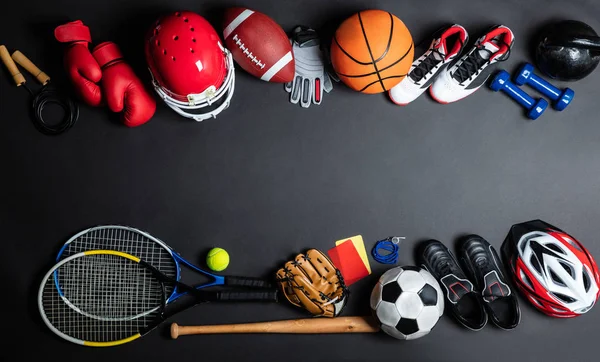
How Sports Gear is Designed to Enhance Performance: The Science Behind the Equipment
In the competitive world of sports, performance enhancement is not solely reliant on athlete training but significantly influenced by the design of sports gear. From high-tech running shoes to aerodynamically engineered bicycles, every piece of equipment is meticulously crafted based on scientific principles. For instance, materials like carbon fiber and engineered polymers are utilized for their lightweight and durable characteristics, which can drastically improve an athlete's speed and agility. Additionally, sports gear is often designed using advanced biomechanics, allowing for better energy transfer and less fatigue during high-intensity activities.
Moreover, sports gear often integrates cutting-edge technology to provide real-time feedback to athletes, facilitating adjustments that can lead to improved performance. Wearable devices, such as fitness trackers and smart fabrics, collect data on an athlete's biomechanics, heart rate, and more. This data not only aids in personalizing training regimens but also enhances injury prevention strategies. As research in performance-enhancing gear continues to evolve, it's clear that the marriage of science and technology plays a pivotal role in maximizing athletic potential, fundamentally transforming how athletes prepare and perform in their respective sports.
Counter-Strike is a highly popular tactical first-person shooter game that has been captivating gamers since its initial release in 1999. Players are divided into two teams, terrorists and counter-terrorists, with the primary objective of either planting or defusing a bomb, securing hostages, or eliminating the opposing team. With a thriving competitive scene and various updates, it continues to evolve, maintaining its status as a cornerstone in the esports community. For those looking to enhance their performance while working out, consider checking out the Top 10 Accessories for AirPods at the Gym to stay connected and motivated.
The Evolution of Sports Gear: From Basic Equipment to High-Tech Innovations
The evolution of sports gear has been a remarkable journey, transforming from rudimentary equipment to sophisticated, high-tech innovations. In the early days, athletes relied on basic materials—wood, leather, and fabric—to create tools for their respective sports. For example, ancient Greeks used simple discs for disc throwing, and early football players donned leather helmets that offered minimal protection. As sports became more organized and competitive, the demand for improved performance and safety sparked innovations in design and materials. The introduction of synthetic materials, such as nylon and polyester, revolutionized sports apparel, allowing for lighter, more durable, and weather-resistant gear.
Today, the landscape of sports gear is dominated by advanced technologies that not only enhance athletic performance but also boost safety and comfort. Wearable technology, such as smartwatches and fitness trackers, provides athletes with real-time data on their performance metrics, helping them train more effectively. Innovations like 3D printing have allowed for personalized equipment tailored to individual athletes' needs, while advancements in materials science continue to push the boundaries of what sports gear can achieve. As we look to the future, it's clear that the evolution of sports gear will remain closely linked to technological advancements, shaping the way athletes prepare, compete, and succeed.
What Happens to Your Gear When You're Not Playing? Exploring the Lifespan of Sports Equipment
When athletes take a break from their sport, it's essential to consider what happens to their gear during this downtime. Sports equipment, whether it's tennis rackets, hockey sticks, or cycling gear, is often subjected to various environmental factors that can impact its longevity. For instance, moisture, extreme temperatures, and direct sunlight can deteriorate materials over time. If neglected, the fabric on running shoes can degrade, while rubber components can crack or lose elasticity. To prolong the lifespan of your sports equipment, proper storage is key; it’s advisable to keep your gear in a controlled environment, free from excessive humidity and temperature fluctuations.
Moreover, inactivity can also lead to a lack of maintenance, which is pivotal for protecting your gear. Dust and dirt accumulation can affect performance, particularly for sports like cycling and golfing. A thorough cleaning routine combined with occasional inspections can help identify wear and tear before it becomes a serious issue. If you are planning to take a break from your sport, consider employing protective measures such as equipment covers or organizing your gear in a way that minimizes damage. Ultimately, understanding what happens to your sports equipment when you're not playing can help you make informed choices that extend its lifespan and keep it in peak condition for your next season.