The Importance of Ergonomics: How Your Seat Can Improve Your Health
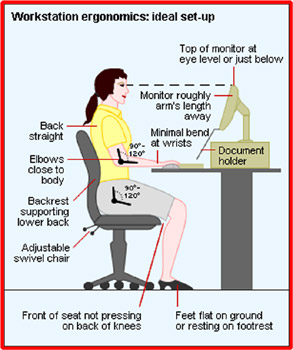
Ergonomics plays a crucial role in enhancing our overall health, particularly when it comes to the design of office and home seating. A well-designed seat can significantly reduce discomfort and the risk of chronic health issues associated with poor posture. For instance, ergonomic chairs are designed to support the natural curve of your spine, promoting a healthy sitting posture that alleviates pressure on your back. This can lead to reduced discomfort in the neck, shoulders, and lower back, ultimately boosting productivity and overall well-being.
Moreover, the benefits of ergonomic seating extend beyond mere comfort. Studies have shown that proper seating can enhance circulation, improve focus, and even reduce fatigue throughout the day. Implementing ergonomic principles in your workspace may involve adjustable chairs, sit-stand desks, and proper monitor placement to align with your eye level. By making these changes, you not only create a more comfortable environment but also foster a culture of health and efficiency that can lead to long-term positive effects on your physical and mental health.
Counter-Strike is a popular tactical first-person shooter video game that emphasizes teamwork and strategy. Players can choose to be part of either the terrorist or counter-terrorist team, each with specific goals to achieve. As the gaming community evolves, so does the culture around it, leading to many discussions about gaming environments, including the Top 10 Desk Setup Trends.
Top 5 Ergonomic Features to Look for in Your Next Office Chair
In today's fast-paced work environment, choosing the right office chair can significantly enhance your comfort and productivity. When searching for the perfect ergonomic chair, prioritize features that promote good posture and reduce the risk of discomfort. Here are the top 5 ergonomic features to look for in your next office chair:
- Adjustable Seat Height: This allows you to set the chair at a height where your feet can rest flat on the ground, fostering better circulation and reducing strain on your lower back.
- Lumbar Support: Look for chairs that come with adjustable lumbar support to maintain the natural curve of your spine, which can help prevent lower back pain.
- Seat Depth Adjustment: The ability to adjust the seat depth ensures that your back is fully supported while allowing for adequate space between the back of your knees and the seat edge.
- Armrest Height Adjustment: Adjustable armrests can reduce shoulder strain and are essential for ensuring that your arms are in a relaxed position.
- Swivel and Mobility: A chair that swivels and has wheels enables you to reach different areas of your workspace without straining your body, promoting better ergonomics.
Is Your Chair Hurting You? Signs It's Time for an Ergonomic Upgrade
If you've ever found yourself shifting uncomfortably in your seat or experiencing persistent discomfort while working, it might be time to consider whether your chair is hurting you. One of the most common signs is a feeling of stiffness or pain in your back, neck, or shoulders after prolonged sitting. Additionally, if you notice numbness or tingling in your legs or feet, this could indicate that your current chair is not providing adequate support. A lack of lumbar support can strain your posture, leading to long-term health issues. It’s crucial to listen to what your body is telling you.
Another indicator that an ergonomic upgrade is needed is a noticeable decrease in your productivity or focus. If you find yourself frequently distracted by discomfort, it may be a sign that your chair isn't fitting your body properly. Consider evaluating the following factors:
- Seat height: Your feet should rest flat on the floor.
- Back support: Ensure your chair supports the natural curve of your spine.
- Seat depth: There should be a 2-4 inch gap between the back of your knees and the chair.
Upgrading to an ergonomic chair can greatly enhance your overall comfort and performance, allowing you to focus on what truly matters—your work.