Are Smartphones Enhancing Our Productivity or Harming It?
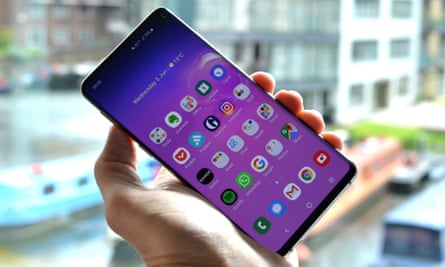
Smartphones have become ubiquitous in modern life, serving as powerful tools that can enhance our productivity in various ways. With access to a myriad of applications designed for time management, communication, and information retrieval, individuals can streamline their daily tasks more efficiently than ever. For example, productivity apps like Trello and Asana allow users to organize their projects seamlessly, while calendar apps keep important appointments and deadlines front and center. Moreover, the ability to connect with colleagues and clients instantly via email or messaging platforms ensures that business communication remains fluid and responsive.
However, there is a growing body of evidence that suggests smartphones may also be harming productivity. The constant barrage of notifications from social media, emails, and other applications can lead to significant distractions, ultimately disrupting focus and decreasing overall output. According to studies, these distractions can lead to a phenomenon known as attention residue, where the mind lingers on past tasks, making it challenging to concentrate on the current one. Furthermore, the lure of entertainment on smartphones can consume valuable time, shifting attention away from more productive pursuits and responsibilities.
If you're looking for convenience and versatility, check out the Top 10 Foldable Phone Stands. These stands are perfect for both work and leisure, allowing you to prop up your device at various angles. From ultra-portable designs to more robust options, there's something for everyone among the top contenders.
The Dual Nature of Smartphones: Tools for Efficiency or Distractions?
The rise of smartphones has fundamentally transformed how we engage with our daily tasks, serving as powerful tools for efficiency. With access to a multitude of applications designed for productivity, such as calendars, to-do lists, and note-taking apps, users can streamline their workflows and stay organized. Moreover, the integration of communication platforms like email and messaging apps enables instant connectivity, ensuring that important tasks and collaborations can proceed without delay. Consequently, the smartphone has become an essential asset in enhancing personal and professional productivity.
However, the same features that make smartphones beneficial can also lead to significant distractions. The constant barrage of notifications from social media, games, and other applications can detract from our focus and lead to decreased productivity. Studies have shown that frequent interruptions can reduce the quality of work and extend the time required to complete tasks. Therefore, while smartphones are undeniably versatile and powerful tools, it is crucial for users to find a balance between utilizing their capabilities for efficiency and managing the potential drawbacks that come with their pervasive presence.
How to Use Your Smartphone Mindfully to Balance Connectivity and Freedom
In today's fast-paced world, our smartphones keep us connected, but they can also lead to feelings of overwhelm and anxiety. To achieve a healthy balance between connectivity and freedom, it's essential to practice mindful smartphone use. Start by setting specific times during the day to check your phone, limiting distractions caused by constant notifications. You might consider turning off non-essential alerts or using features that help you track your screen time. This way, you're making conscious choices about when and how you engage with your device, rather than reacting impulsively to every ping and buzz.
Another effective technique is to establish a digital detox routine, where you set aside periods of time—like during meals or before bedtime—when you completely unplug from your smartphone. This practice not only allows you to reconnect with your surroundings but also fosters deeper relationships with those around you. Remember, the key to mindful smartphone use lies in prioritizing face-to-face interactions and engaging in activities that nourish your well-being, such as reading, exercising, or meditating. By intentionally balancing your smartphone usage, you can reclaim your freedom while still enjoying the benefits of connectivity.