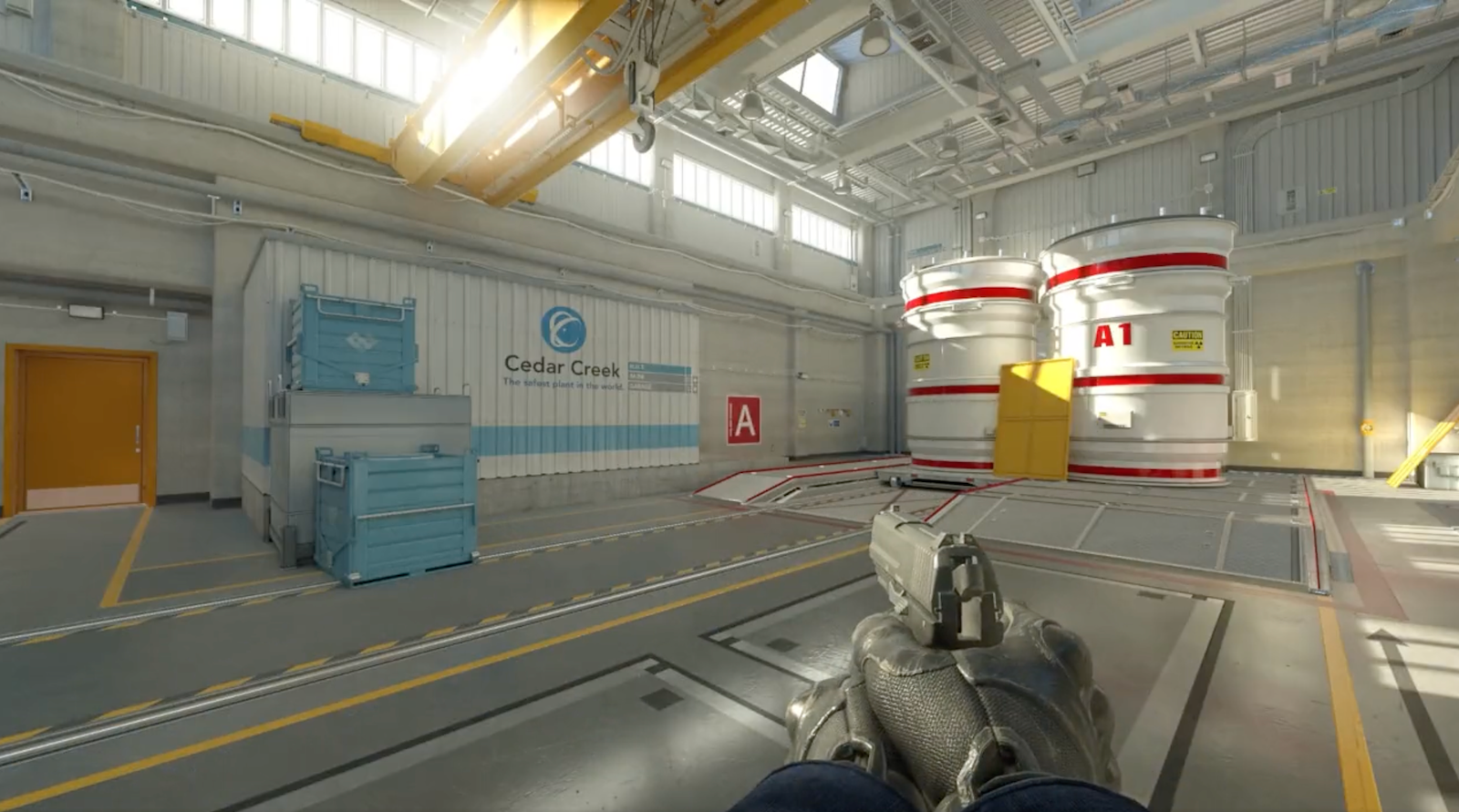
Exploring CS2's Hidden Routes: Tips and Tricks for Navigating the Unseen
Exploring CS2's Hidden Routes can significantly enhance your gameplay, offering unexpected shortcuts and tactical advantages. One of the key tips for navigating these unseen pathways is to familiarize yourself with the map's layout. Spend time studying specific areas that seem less traveled, as they often hold the potential for flanking maneuvers or surprise attacks. Additionally, using the in-game radar effectively can help you pinpoint your teammates' positions, allowing you to communicate better about which hidden routes to take during intense matches.
Another essential aspect is to practice the movement mechanics associated with these routes. Consider using obstacle jumps and wall climbs to access hard-to-reach areas. For instance, mastering the jump up to the ledge on Map Name can provide you with a vantage point that most players overlook. Compile a list of secrets you've discovered, as this accumulation of knowledge will not only improve your skills but also make you a vital asset to your team when you share these hidden gems.
Counter-Strike, originally released in 1999, has evolved into one of the most popular first-person shooter games in esports history. Players engage in tactical combat, often utilizing various weapons and strategies to outsmart their opponents. One interesting aspect of the game is the csgo weapon case 2, which introduces a variety of unique weapons and skins that enhance the gameplay experience.
The Ultimate Guide to CS2's Secret Pathways: What You Need to Know
In CS2, navigating the game's intricacies goes beyond mere shooting and strategy; it involves discovering the hidden pathways that can give players a distinct advantage. These secret pathways are often overlooked, yet they can make a significant difference in gameplay by providing quicker routes or vantage points that are vital for ambushes and strategic positioning. To help you uncover these elusive areas, we've compiled a list of tips to make the most of your exploration:
- Pay Attention to the Environment: Look for visual cues such as cracks in walls, unusual structures, or differences in the terrain that suggest a hidden path.
- Utilize Your Abilities: Certain characters possess abilities that can help reveal or access secret areas, so don’t hesitate to experiment.
- Work With Your Team: Communication is key; coordinate with teammates to cover more ground while exploring.
By incorporating these strategies into your gameplay, you can elevate your CS2 experience and stay one step ahead of the competition.
How to Discover and Utilize Hidden Routes in CS2 for Competitive Advantage
In Counter-Strike 2 (CS2), mastering the map is crucial to achieving a competitive advantage. One effective way to outmaneuver your opponents is by discovering and utilizing hidden routes that are often overlooked. These routes can provide players with unique angles of attack, allowing for surprise plays and strategic positioning. To uncover these hidden paths, spend time in each map during offline mode. Walk around the edges and look for gaps or less-trafficked areas that may not seem obvious at first glance. Engage in practice matches with friends, where you can experiment with these routes and assess their effectiveness without the pressure of a competitive environment.
Once you’ve identified a few secret pathways, it's essential to integrate them into your gameplay strategy. Here are a few tips for utilizing these hidden routes effectively:
- Communicate with your team: Share your knowledge of these routes with teammates, ensuring everyone can capitalize on the tactical advantage.
- Practice regularly: Make a habit of incorporating these routes in live matches to understand their flow better and refine your movements.
- Adapt on the fly: Be willing to modify your playstyle as the match evolves, as enemy strategies may force you to use different hidden routes.
By consistently practicing and communicating, you can leverage these strategies to gain a distinct edge over your competitors.