The Hidden Dangers of Poor Ergonomics: Is Your Chair Sabotaging Your Health?
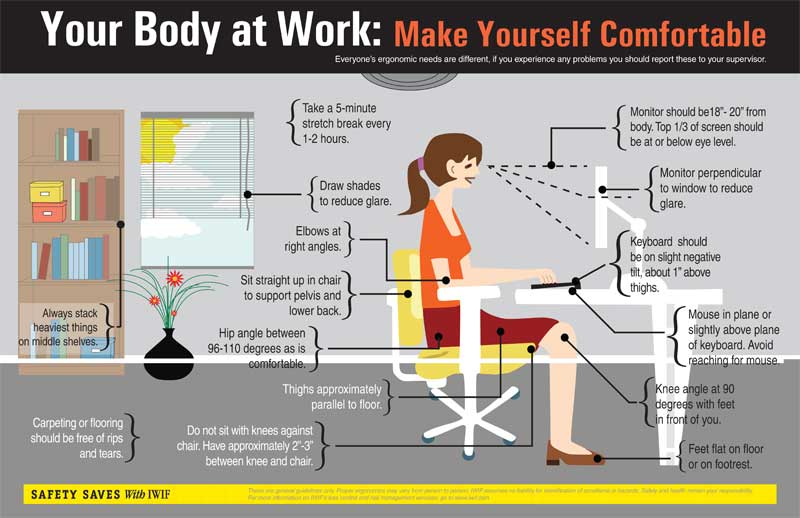
In today's working environment, the importance of ergonomics cannot be overstated. Poor ergonomics, often stemming from unsupportive chairs, can lead to a myriad of health issues, including chronic back pain, carpal tunnel syndrome, and even digestive problems. Sitting for prolonged periods in a chair that doesn't support your lower back can lead to poor posture, which over time, can alter your spinal alignment. This misalignment doesn't just contribute to discomfort; it can also have a serious impact on your overall health, affecting your ability to concentrate and be productive.
Moreover, the hidden dangers of inadequate seating extend beyond physical discomfort. Studies have shown that individuals seated in ergonomically unsound environments may experience increased fatigue, disrupted sleep patterns, and heightened stress levels. Investing in a quality ergonomic chair is not just about comfort; it's a crucial step towards safeguarding your health and enhancing your productivity. When choosing a chair, look for features such as adjustable height, lumbar support, and adequate cushioning to create a workspace that fosters well-being and efficiency.
Counter-Strike is a multiplayer first-person shooter game that has gained immense popularity since its release. Players engage in team-based combat, with one team typically playing as terrorists and the other as counter-terrorists. The game is known for its tactical gameplay and strategic depth, making it a favorite in the competitive gaming scene. If you're looking to enhance your gaming setup, check out these Top 10 MacBook Accessories for Office that can help improve your overall experience.
5 Signs It's Time to Ditch Your Current Office Chair
Working long hours in the same office chair can take a toll on your body, and there are several signs that indicate it might be time to make a change. One of the most obvious signs is persistent discomfort or pain, particularly in your back, neck, or hips. If you find yourself shifting positions constantly to get comfortable or experiencing soreness after a workday, it’s crucial to evaluate your chair’s support and ergonomics.
Another indicator that it’s time to ditch your current office chair is if you notice visible wear and tear. This includes cracks in the material, broken wheels, or a seat that no longer holds its shape. An aging chair not only looks unprofessional but can also affect your posture and productivity. Additionally, if you struggle to adjust the height or tilt settings, it might be time to invest in a chair that better fits your workspace and personal preferences.
How to Choose an Ergonomic Chair: What to Look For and What to Avoid
Choosing an ergonomic chair is crucial for enhancing your comfort and productivity, especially if you spend long hours working at a desk. To make the right choice, consider the following key features:
- Adjustability: Look for chairs with adjustable seat height, backrest angle, and armrest height to customize the fit for your body.
- Lumbar Support: A good ergonomic chair should support the natural curve of your spine. Check for chairs with built-in lumbar support or adjustable backrests.
- Material: Choose breathable materials that provide comfort and support, such as mesh or high-density foam.
While there are many options available, here are a few things to avoid when selecting an ergonomic chair:
- Chairs without adequate adjustments can lead to discomfort and poor posture.
- Avoid chairs that feel too soft or lack firm support, as this can cause strain during extended use.
- Steer clear of overly expensive options that may not provide the necessary features; focus on functionality rather than brand names.