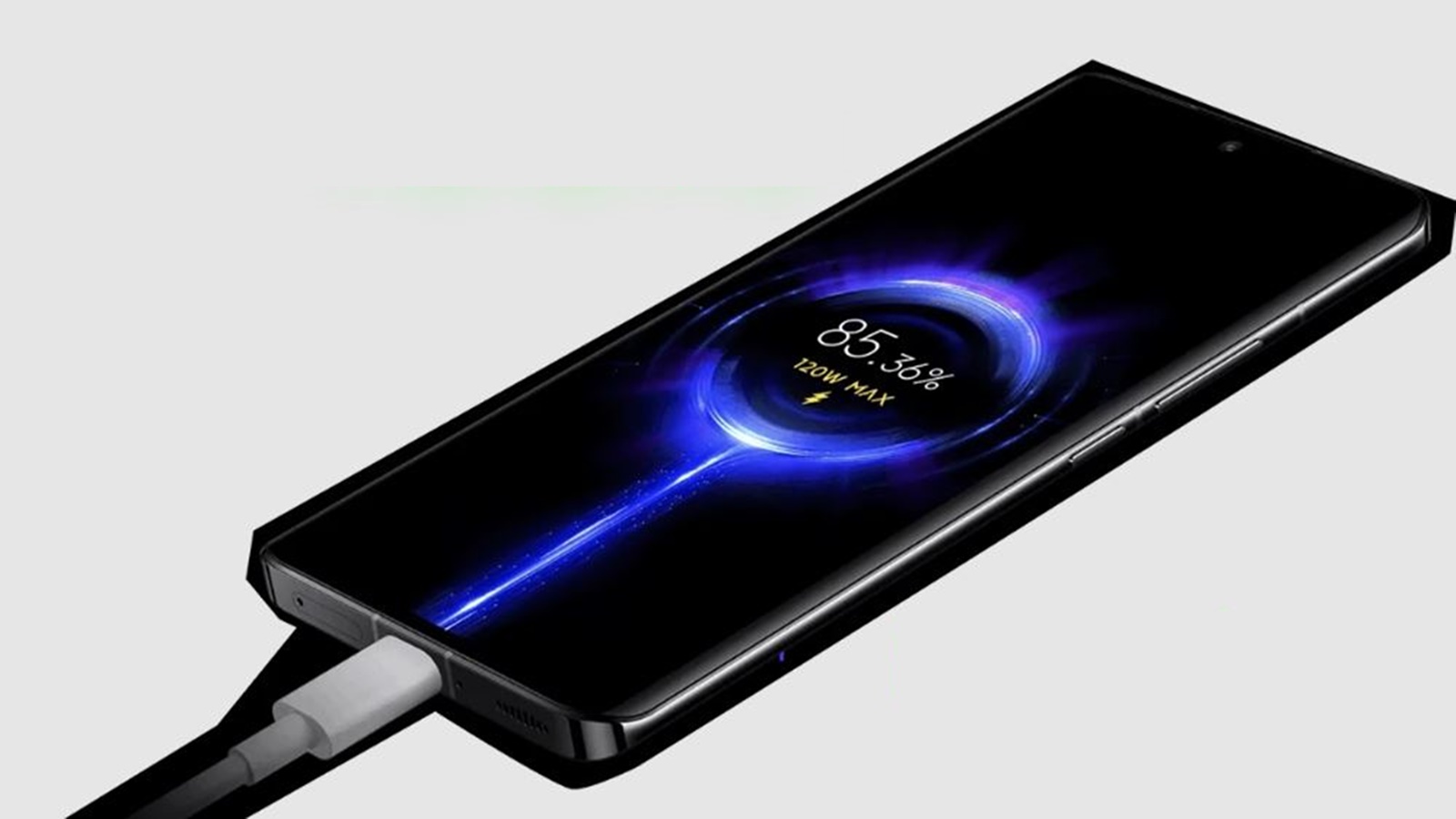
The Science Behind Fast Charging: How It Works and Its Benefits
Fast charging technology has revolutionized how we power our devices, making it possible to recharge batteries at a significantly quicker rate compared to conventional methods. At its core, fast charging utilizes higher voltage and current levels to deliver more energy to the battery in a shorter amount of time. This process involves sophisticated algorithms that manage the charging cycle, ensuring that the battery remains safe and efficient. For example, many modern smartphones now support protocols such as Qualcomm's Quick Charge and USB Power Delivery, which enable devices to draw power beyond standard charging limits.
One of the primary benefits of fast charging is the reduction in downtime for users, allowing them to get back to their activities swiftly. With the ability to charge a smartphone from 0% to 50% in as little as 30 minutes, users can enjoy enhanced productivity and convenience. Moreover, fast charging technologies often include features such as over-voltage protection and thermal management, which help maintain the long-term health of the battery. As a result, not only are users able to enjoy quicker charging times, but they also benefit from improved battery lifespan and performance.
If you're looking for the perfect charging solution, check out the Top 10 Slim Wireless Charging Pads that combine style and functionality. These sleek pads are designed to fit effortlessly into any environment, making charging your devices more convenient than ever.
Top 5 Fast Charging Technologies You Should Know About
As technology advances, the demand for faster charging solutions has become paramount, especially for mobile devices and electric vehicles. Here are the Top 5 Fast Charging Technologies you should know about:
- Quick Charge: Developed by Qualcomm, this technology allows for rapid charging of compatible devices while maintaining safety and efficiency.
- USB Power Delivery (USB PD): This universal charging standard enables high power transfer over USB by negotiating power requirements between the charger and device.
- SuperCharge: Huawei’s proprietary technology that optimizes charging speed by adjusting the voltage and current transfer.
- TurboCharge: A feature seen in certain Motorola devices that can deliver up to 45W for incredibly fast charging times.
- Fast Charge: Samsung’s technology that safely charges their devices at a higher rate than traditional adapters.
Is Fast Charging Safe for Your Devices? Debunking Common Myths
Fast charging has become a common feature for modern devices, but many users are concerned about its safety. Myth 1 suggests that fast charging can significantly damage your device's battery over time. In reality, most smartphone manufacturers design their devices with built-in safeguards to regulate battery health during fast charging sessions. These safeguards typically include thermal management systems, which prevent the device from overheating, and charging algorithms that optimize the current flow based on the battery's current state. Therefore, when using fast charging technology from reputable brands, you can trust that your device is safe.
Another prevalent misconception is that using third-party fast chargers can lead to device failure. While it's true that subpar chargers may not deliver the proper voltage and current, high-quality third-party chargers that meet safety standards can be just as effective as the original charger. According to Myth 2, all third-party chargers are potentially harmful, but many devices support the USB Power Delivery (USB PD) standard, which allows for safe and efficient charging no matter the brand. Always opt for certified chargers to ensure you're making a safe choice for your digital devices.