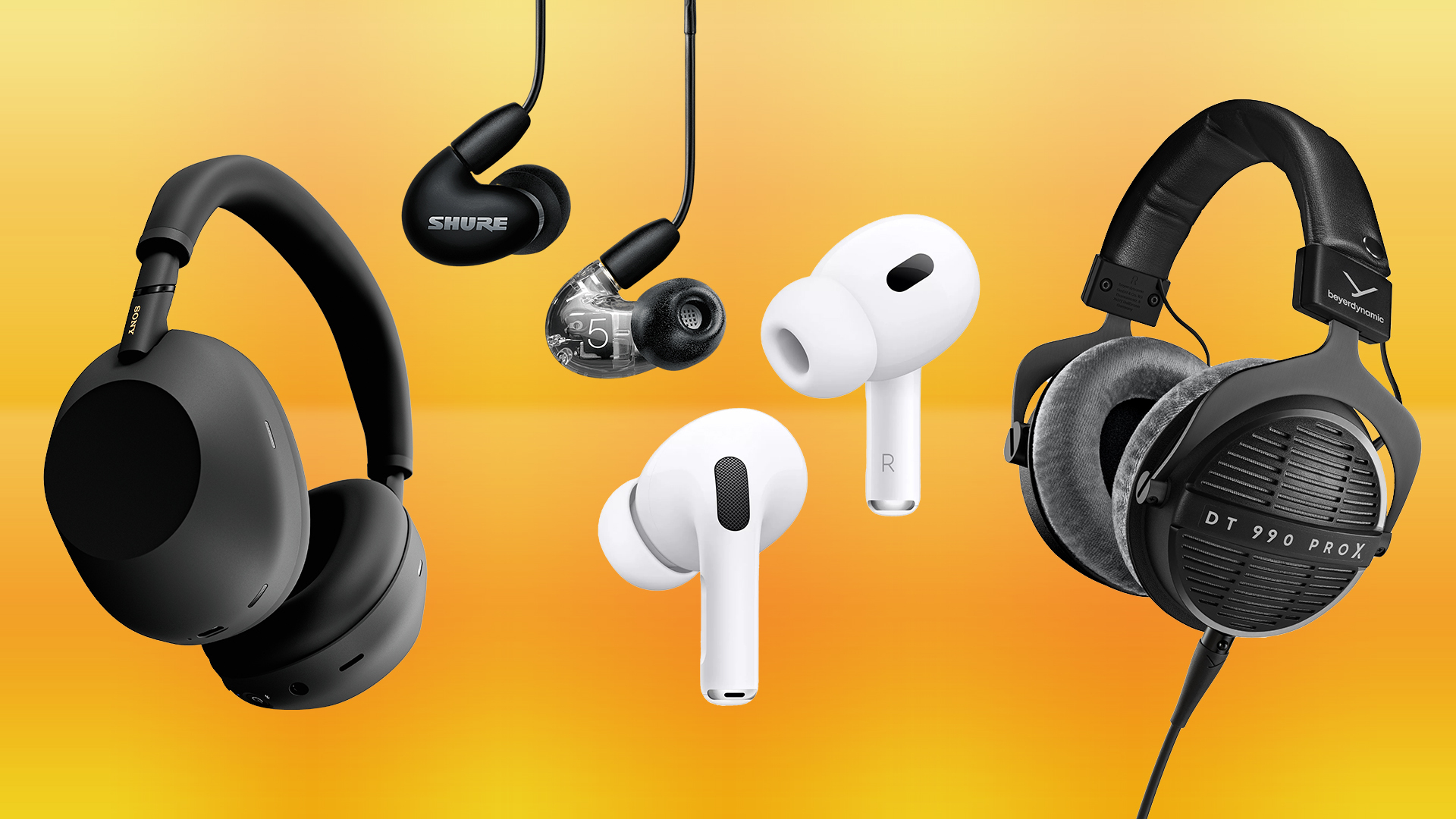
The Science Behind Headphones That Transform Your Audio Experience
In the world of audio technology, headphones play a pivotal role in transforming how we experience sound. The science behind headphones involves intricate engineering and design choices that significantly affect sound quality. For instance, dynamic drivers, which are the most common type of drivers used in headphones, convert electrical signals into sound by vibrating a diaphragm. This vibration creates pressure waves in the air, allowing us to hear music and other audio. Understanding the mechanics of these drivers can help consumers make informed choices when selecting headphones, as the size and material of the diaphragm can influence the overall sound signature.
Another crucial element of the audio experience is the frequency response, which refers to the range of bass, midrange, and treble frequencies that headphones can accurately reproduce. Ideally, a wider frequency response leads to a more immersive sound experience. Moreover, noise-canceling technology uses sophisticated algorithms to analyze ambient sound and counteract it, allowing users to enjoy their audio without distractions. This technology has transformed how we listen to music, especially in noisy environments like public transport. By understanding these scientific principles, users can appreciate the depth of technology behind headphones and enhance their overall audio experience.
Counter-Strike is a popular tactical first-person shooter franchise that emphasizes teamwork and strategy. Players can choose to join either the terrorist or counter-terrorist team and engage in various game modes. For gamers looking for an edge in their gameplay, using the right gear is crucial. Check out the Top 10 Earbuds for Small Ears to enhance your audio experience during intense matches.
How Do Noise-Canceling Headphones Enhance Your Listening?
Noise-canceling headphones have revolutionized the way we experience sound by providing an immersive auditory environment that minimizes distractions. How do noise-canceling headphones enhance your listening? Firstly, these headphones utilize advanced technology to detect ambient sounds and counteract them with sound waves of equal magnitude, effectively reducing external noise. This allows users to enjoy their favorite music, podcasts, or audiobooks without constantly adjusting the volume to drown out background clamor, be it in a bustling café or a crowded subway.
Furthermore, noise-canceling headphones are not just about eliminating distractions; they also improve the overall quality of sound. By isolating the listener from external interference, these headphones allow for a more nuanced audio experience where subtle details in music or speech can be appreciated. Enhanced listening is especially crucial for audiophiles or professionals in sound-related fields, as the ability to hear every note or word can lead to a deeper understanding and enjoyment of the auditory content.
Can Headphones Really Change the Way You Perceive Sound?
Headphones can significantly alter our auditory experiences, providing a personal sound environment that affects how we perceive different audio elements. From deep bass to crisp treble, the specific design and technology of headphones play a crucial role in sound reproduction. For instance, noise-canceling headphones can eliminate external distractions, allowing listeners to fully immerse themselves in music or podcasts. This immersive experience not only enhances enjoyment but can also affect our emotional response to the audio content.
Moreover, headphones equipped with advanced features like spatial audio or surround sound can create a three-dimensional listening experience, making it feel as though sounds are coming from various directions. This technology can change the way we perceive sound by providing depth and richness that typical speakers may lack. As we continue to explore the science behind sound perception, it becomes clear that the choice of headphones can indeed transform our auditory experience, influencing everything from how we enjoy music to how we engage with media.