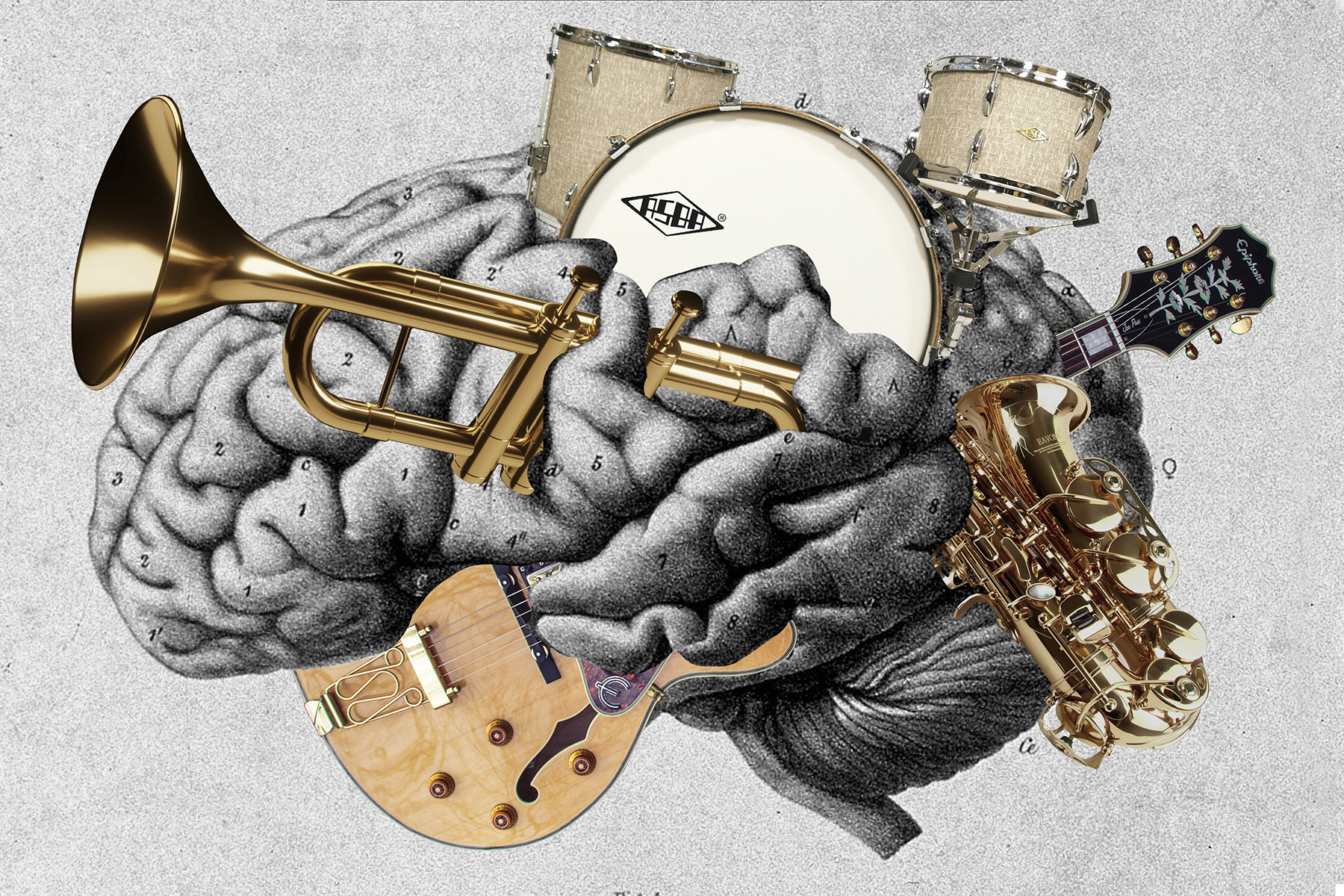
How Music Shapes Our Emotions: Unveiling the Psychological Benefits
Music is a powerful medium that influences our emotions in profound ways. Numerous studies have shown that music shapes our emotions by triggering various psychological responses. For instance, upbeat tempos can induce feelings of happiness and excitement, while slow melodies often elicit sadness or nostalgia. Researchers suggest that this emotional connection stems from music's ability to evoke memories and create associations, allowing listeners to experience a vast range of feelings without the need for words. This phenomenon illustrates why soundtracks in movies can amplify emotions during pivotal scenes, making it clear that music and emotion are intricately linked.
The psychological benefits of music extend beyond mere enjoyment. Engaging with music has been shown to reduce stress, improve mood, and even enhance cognitive function. According to the American Psychological Association, listening to music can stimulate the release of dopamine, a neurotransmitter responsible for feelings of pleasure and reward. Additionally, participating in musical activities, such as playing an instrument or singing in a group, fosters social connections that further enrich our emotional well-being. Ultimately, understanding how music shapes our emotions allows us to harness its potential for personal growth and mental health improvement.
When it comes to travel, having a reliable pair of earbuds can significantly enhance your experience. Whether you're listening to music, watching movies, or taking calls, you’ll want earbuds that are comfortable and offer great sound quality. For a comprehensive guide, check out our Top 10 earbuds for travel to find the perfect companion for your journeys.
The Science Behind Sound: Why Music Resonates with Our Souls
The connection between sound and the human experience is deeply rooted in our biology and psychology. Music elicits powerful emotional responses, often transcending language and culture. Researchers have found that music activates multiple areas of the brain, including those involved in emotion, memory, and motor control. This phenomenon can be attributed to the release of hormones such as dopamine, which is associated with pleasure and reward. In essence, music serves not only as entertainment but also as a vital medium through which we explore and express our inner selves.
Beyond its emotional significance, the science of sound reveals interesting insights into how music affects our well-being. For instance, studies show that listening to harmonious sounds can reduce stress and anxiety, while certain rhythms can enhance cognitive performance. Moreover, the concept of resonance highlights how specific frequencies can create a physical and emotional response within us, making music a unifying force. Whether it's the gentle strumming of a guitar or the powerful swell of an orchestra, the vibrations of music resonate deeply with our souls, offering a sense of connection and understanding we often crave.
Can Silence Enhance Our Appreciation of Music? A Deep Dive
In a world filled with constant noise and distractions, silence holds a profound significance that can often be overlooked. Many people may not realize that taking a moment of quiet can significantly enhance our appreciation of music. By eliminating external noise, we create an environment conducive to deep listening, allowing us to focus on the nuances and intricacies of the composition. This intentional pause not only heightens our awareness but also enables us to engage more fully with the emotive power of the music, creating a richer and more immersive experience.
Moreover, silence serves as a powerful tool for reflection and anticipation. In between melodies, the absence of sound creates space for our thoughts to wander, allowing us to process our emotional responses and intellectual insights. For instance, when we listen to a symphony, the quiet moments can provoke a deeper connection to the themes presented, making the eventual crescendos feel even more impactful. Thus, embracing silence not only cultivates appreciation but also transforms our relationship with music, encouraging us to experience it on a more profound level.