Understanding Bitcoin Transaction Privacy: How Ghosts in the Blockchain Affect You
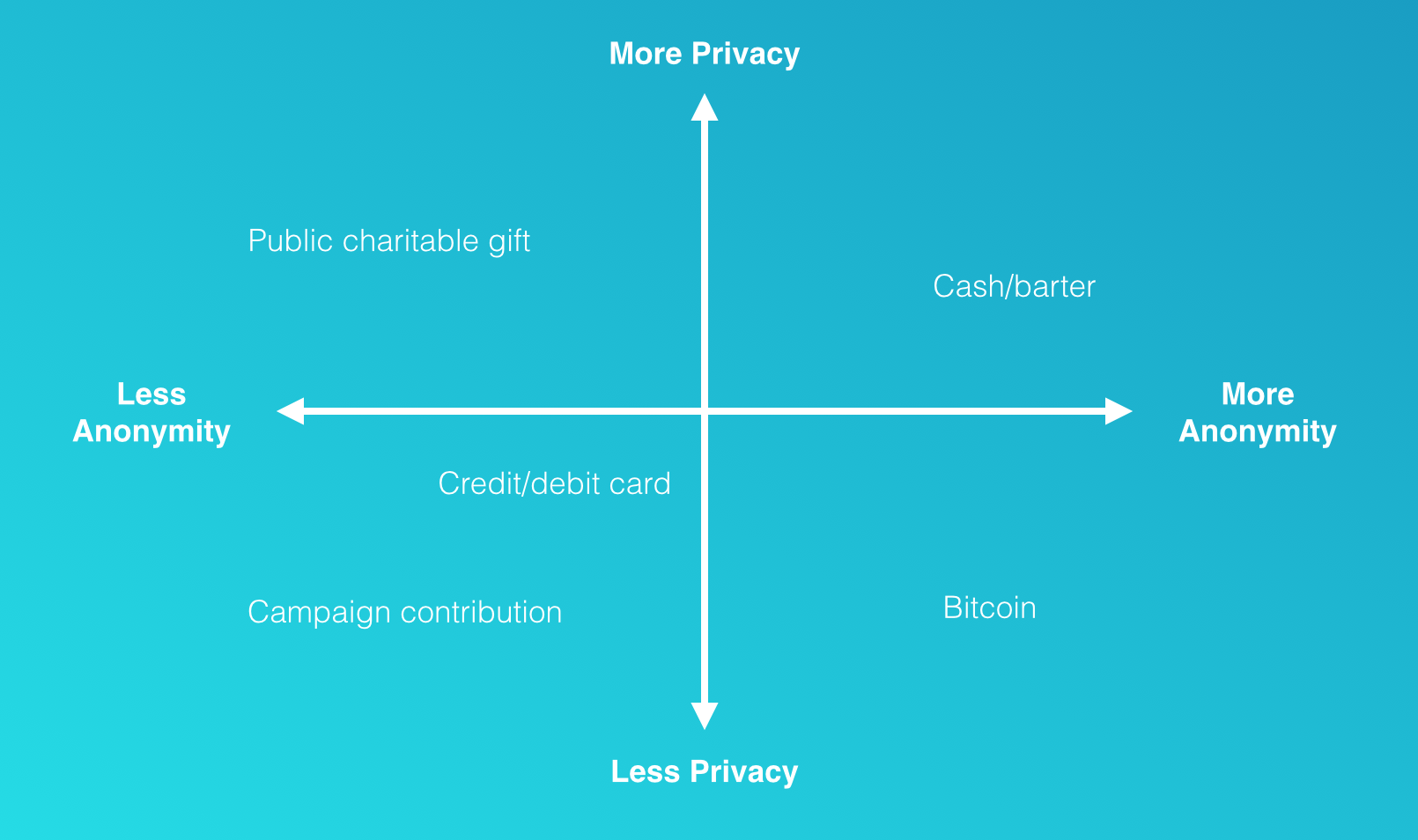
Understanding Bitcoin transaction privacy is crucial for anyone using or considering the use of this revolutionary cryptocurrency. Unlike traditional banking systems, Bitcoin transactions are recorded on a public ledger known as the blockchain. This transparency, while advantageous, raises significant concerns about personal privacy. Each transaction is appended to a wallet address that can be traced back to the user. As a result, the anonymity that many seek when using Bitcoin can be compromised. Understanding how ghosts in the blockchain—previous transaction data and associated addresses—can impact your financial privacy is vital for making informed decisions when trading or holding Bitcoin.
There are several factors that contribute to the challenges surrounding Bitcoin's transaction privacy. Firstly, Bitcoin's pseudonymous nature means that while your identity isn't directly linked to your wallet address, patterns of transactions can expose private information. For instance, if a user's wallet is connected to their identity, all associated transactions can be traced back. Furthermore, techniques such as data clustering by blockchain analysis firms can further unveil your transaction history. To minimize privacy risks, consider using techniques such as mixing services or privacy-focused wallets that can help obfuscate your transaction trails. Understanding these concepts allows users to interact more securely within the Bitcoin ecosystem.
Counter-Strike is a highly popular first-person shooter game that pits teams against each other in tactical combat. Players can engage in various game modes, including bomb defusal and hostage rescue. To enhance your gaming experience, you might want to check out a cloudbet promo code for some exciting bonuses.
Top Strategies for Enhancing Your Bitcoin Anonymity
In today's digital age, ensuring your Bitcoin anonymity is crucial for maintaining privacy and security. One of the top strategies to enhance your anonymity is to use mixers or tumblers. These services obscure the trail of your Bitcoin transactions by merging your coins with others, making it challenging for anyone to trace the origin of the funds. Additionally, consider using privacy-focused wallets that enhance anonymity features such as Tor integration or built-in coin mixing capabilities. By taking these initial steps, users can significantly improve their Bitcoin anonymity.
Another effective tactic is to avoid reusing Bitcoin addresses. Each time you receive Bitcoin, use a new address generated by your wallet. This method not only helps in keeping your transaction history obscured but also minimizes the risk of being linked to your identity. Furthermore, you can enhance your anonymity by using cryptocurrencies with built-in privacy features, such as Monero or Zcash. Implementing these approaches can help you maintain a higher level of anonymity while transacting with Bitcoin.
Are Your Bitcoin Transactions Truly Private? Exploring the Myths and Realities
When discussing Bitcoin, many believe that transactions are fully private and untraceable. This misconception arises from Bitcoin's decentralized nature and the pseudonymous addresses used for transactions. However, it's important to understand that while personal identities are not directly tied to wallet addresses, all Bitcoin transactions are recorded on the public blockchain. This transparency means that with enough effort, anyone can trace transactions back to their source, especially if the wallet’s owner has linked their address to a real-world identity. Thus, the notion of privacy in Bitcoin transactions is more complex than it seems.
Moreover, various tools and services can enhance privacy, but they come with their own caveats. Techniques such as coin mixing and employing privacy-focused cryptocurrencies can obscure transactional details. However, these methods still do not guarantee complete anonymity. For instance, while coin mixers can obfuscate the trail, they often require trust in third-party services, which can be risky. In the end, while Bitcoin can offer a level of privacy, it is not completely insulated from scrutiny. Users must remain aware of the realities surrounding Bitcoin transactions and take necessary precautions if they seek enhanced privacy.