Understanding Bitcoin's Pseudonymous Nature: What You Need to Know About Transaction Privacy
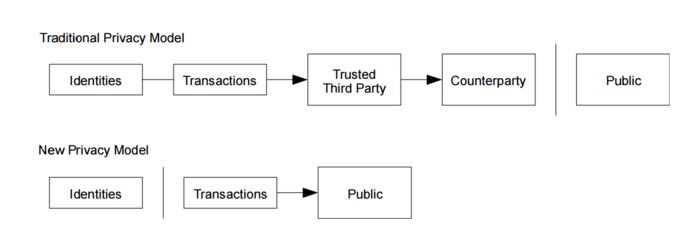
Bitcoin's pseudonymous nature is one of its most intriguing features, offering both benefits and challenges when it comes to transaction privacy. Unlike traditional financial systems, where personal identities are tied to accounts, Bitcoin transactions are recorded on a public ledger called the blockchain. Each transaction is linked to a unique Bitcoin address, which doesn't contain any personal identification. This allows users to send and receive funds without revealing their true identities, yet it also means that anyone can track these transactions if they know where to look. Understanding how this pseudonymity works is essential for anyone looking to enhance their privacy while using Bitcoin.
Nevertheless, it's important to note that Bitcoin is not completely anonymous. With the right tools and knowledge, it is possible to trace transactions back to individuals. A practice known as blockchain analysis employs sophisticated algorithms to analyze the flow of funds, potentially compromising user privacy. To bolster your transaction privacy, consider using techniques such as mixers or CoinJoin, which help obscure the origin and destination of the funds by blending multiple transactions together. Understanding these nuances will significantly improve your ability to navigate the world of Bitcoin while maintaining a higher level of privacy.
Counter-Strike is a popular first-person shooter game that pits two teams against each other: terrorists and counter-terrorists. Players can choose various weapons and tactics to complete objectives or eliminate the opposing team. If you're interested in enhancing your gaming experience, consider checking out the cloudbet promo code for exciting offers.
Top Strategies for Enhancing Your Bitcoin Transaction Privacy
Bitcoin transactions can often be traced back to individuals, undermining the privacy that many users seek in their cryptocurrency dealings. To enhance your Bitcoin transaction privacy, one effective strategy is the use of mixers or tumblers. These services obfuscate the source of your coins by mixing them with those of other users, making it challenging for third parties to trace the origins of a transaction. Additionally, utilizing VPNs or Tor can mask your IP address, adding an extra layer of anonymity to your online transactions.
Another vital strategy is to diversify your Bitcoin wallets. By spreading your holdings across multiple wallets, you can minimize the risk of having your entire transaction history exposed. Furthermore, consider using privacy-focused wallets that offer advanced features such as CoinJoin transactions, which allow you to join your transactions with those of others, further enhancing privacy. Lastly, always be mindful of the public nature of the blockchain; avoid sharing your wallet address publicly to maintain a higher level of privacy in your Bitcoin transactions.
Is Anonymity Possible with Bitcoin? Debunking Common Myths
Many believe that Bitcoin offers complete anonymity, allowing users to make transactions without any trace. However, this is a common misconception. While Bitcoin transactions do not reveal the personal identities of users, they are recorded on a public ledger known as the blockchain. This means that every transaction is visible and can potentially be traced back to an individual through various blockchain analysis techniques. Strong privacy tools, like mixing services or privacy-focused cryptocurrencies, can enhance anonymity, but they add complexity and may not guarantee complete confidentiality.
Furthermore, the anonymity of Bitcoin is also compromised through external factors. For instance, when users convert Bitcoin to traditional currency via exchanges, they often must provide personal information that can be linked back to their wallets. Additionally, law enforcement agencies have become increasingly adept at tracking blockchain transactions, making it essential for users to understand the limitations of Bitcoin's privacy features. In summary, while anonymity can be enhanced through certain practices, it is not absolute, and users must remain vigilant in preserving their privacy.