Understanding Secure Decentralized Platforms: A Guide to Trustless Systems
In the ever-evolving landscape of technology, secure decentralized platforms are gaining significant attention. These platforms utilize blockchain and other peer-to-peer technologies to establish systems that operate without the need for a centralized authority. One of the main advantages of such trustless systems is their ability to offer enhanced security and transparency. By allowing participants to independently verify transactions and interactions, these platforms create a system where trust is built through code rather than relying on third-party intermediaries. This fundamental shift not only enhances the security of transactions but also empowers users by giving them greater control over their data.
To fully understand how secure decentralized platforms function, it's important to explore their key components. Here are some critical aspects of trustless systems:
- Blockchain Technology: This acts as a digital ledger, recording transactions securely and maintaining an immutable history.
- Smart Contracts: These are programmable agreements that automatically execute actions when certain conditions are met, reducing the need for intermediaries.
- Consensus Mechanisms: These ensure all participants agree on the state of the network, enhancing security and preventing fraud.
By examining these elements, one can appreciate how decentralized platforms foster a new era of trust and security in digital interactions.
Counter-Strike is a popular tactical first-person shooter game that has garnered a massive player base since its launch. Players take on the roles of terrorists or counter-terrorists, competing to complete objectives or eliminate the opposing team. If you're looking for some exciting gaming experiences alongside your strategy, check out this cryptocasino.com promo code for added fun!
How Decentralization Enhances Security: Exploring the Benefits
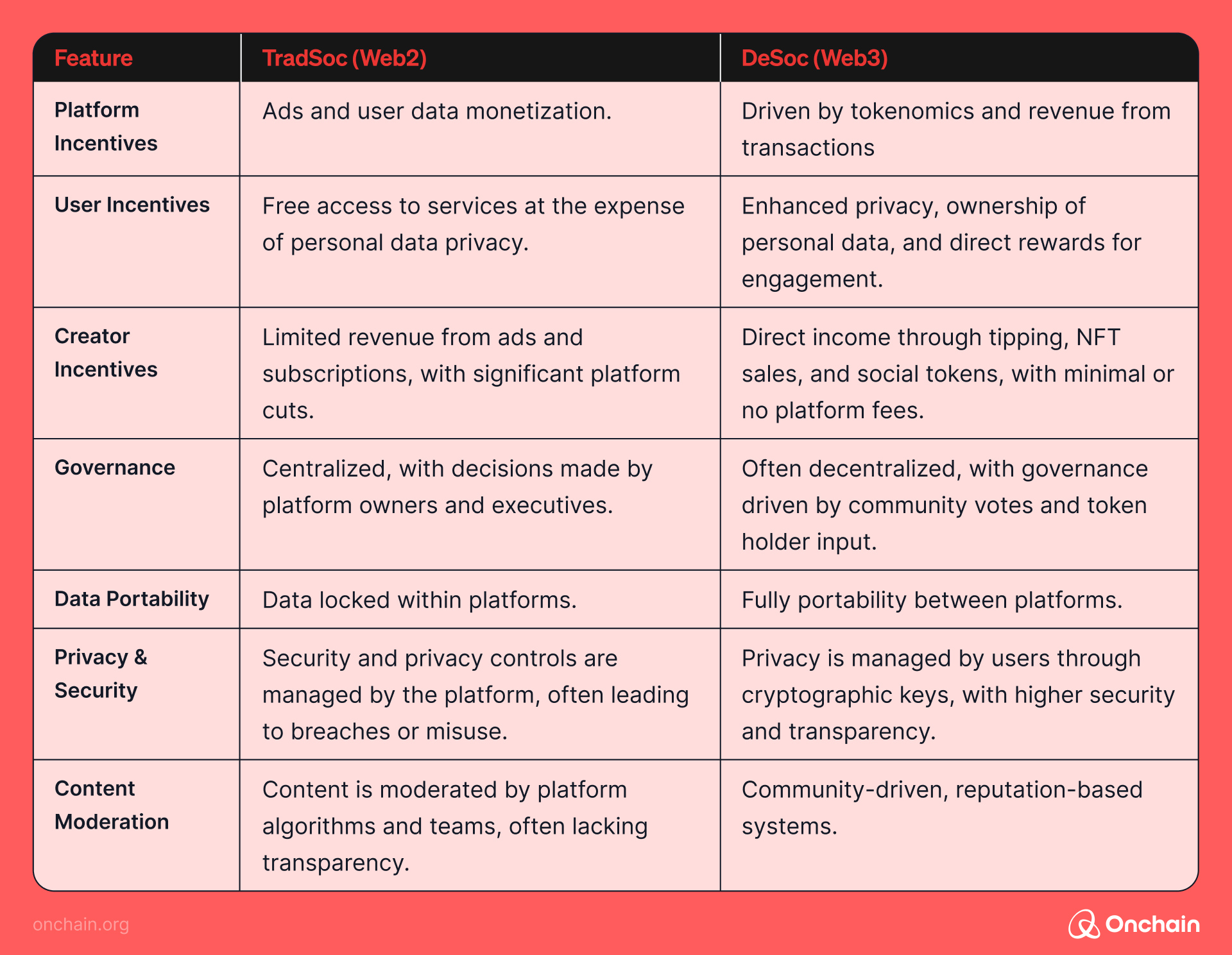
Decentralization fundamentally alters the landscape of digital security. By distributing data across multiple nodes, as opposed to relying on a central database, it significantly reduces the risk of single points of failure. For instance, in a decentralized network, a breach at one node does not compromise the entire system, thereby enhancing overall resilience. This distributed architecture inherently makes it more difficult for malicious actors to manipulate or corrupt data, as they would need to simultaneously attack multiple nodes.
Moreover, decentralization supports greater transparency and accountability. With transactions recorded on a public ledger, anyone can verify the authenticity of the data without needing a central authority. This is particularly beneficial in sectors like finance and healthcare, where data integrity is paramount. By minimizing reliance on centralized entities, individuals can trust that their information is secure and that the systems governing their data are operating fairly, thereby promoting a more secure digital environment for all.
What Are the Risks and Rewards of Using Decentralized Platforms?
The rise of decentralized platforms has introduced a paradigm shift in various industries, from finance to social media. One of the primary risks associated with these platforms is their vulnerability to market fluctuations and regulatory uncertainty. Since decentralized systems often operate outside of traditional regulatory frameworks, users may face unexpected changes in legal standing or security protocols. Furthermore, with the lack of central authority, users must rely heavily on self-custody and due diligence, which can lead to potential losses if not managed properly.
On the flip side, the rewards of using decentralized platforms can be substantial. They often provide enhanced security and privacy by allowing users to control their data without relying on an intermediary. Additionally, decentralized platforms can foster innovation and efficiency, as they enable peer-to-peer transactions that circumvent traditional banking limitations. In essence, weighing the risks against the rewards is crucial for users to navigate this evolving landscape successfully.