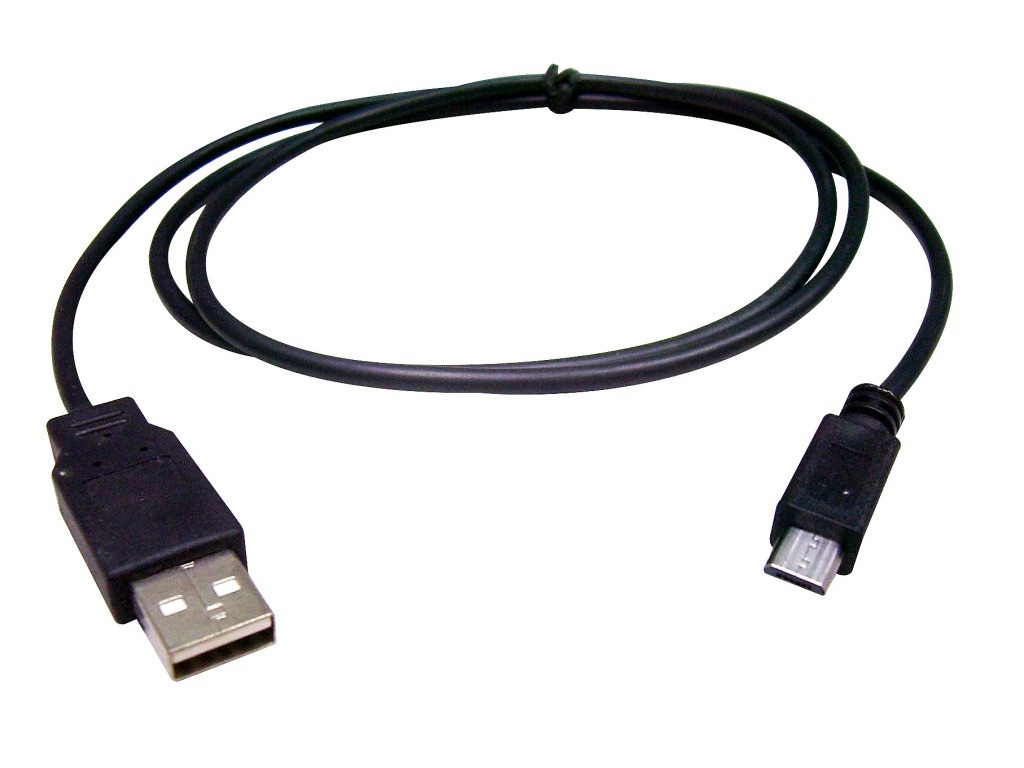
The Hidden Power of USB Chargers: How Fast Charging Works
USB chargers have become an essential part of our digital lives, but many users remain unaware of the intricate technology that powers their devices. At the heart of fast charging is the ability to transfer more power than standard charging methods, allowing devices to recharge in a fraction of the time. This is achieved through a combination of increased voltage and current—often indicated by terms like Quick Charge, Power Delivery, or Adaptive Fast Charging. When a compatible device is connected to a charger that supports these technologies, the charging speed can drastically increase, allowing users to get back to using their devices more quickly.
The secret behind fast charging lies in the communication between the charger and the device. This is typically facilitated by a chip inside both the charger and the device that negotiates the optimal charging parameters. For instance, a smartphone may utilize a USB Power Delivery protocol to request a higher voltage from a charger that supports it. This intelligent communication ensures that the device benefits from the most efficient charging method, without risking damage to the battery. As technology continues to evolve, understanding the hidden power of USB chargers can help consumers make more informed decisions about their charging needs.
Counter-Strike is a popular tactical first-person shooter game that emphasizes teamwork and strategy. Players can choose to fight as terrorists or counter-terrorists, and success often depends on communication and coordination. For those looking for convenience in their gaming setup, you might want to check out the Top 10 Nightstand Charging Stations to keep your devices powered during intense matches.
5 Common Myths About USB Chargers Debunked
When it comes to USB chargers, there are numerous misconceptions that can lead to confusion for consumers. One prevalent myth is that all USB chargers are the same. In reality, USB chargers vary in output power and speed, which means that using a charger with an inadequate output for your device can result in slow charging or, in some cases, even damage. For example, a charger designed for a smartphone may not be suitable for a tablet that requires more power, highlighting the importance of using the correct charger for each device.
Another common myth surrounding USB chargers is that using your device while charging will significantly harm the battery. While it’s true that heavy usage during charging can cause the device to heat up, modern smartphones are built with sophisticated battery management systems. These systems effectively regulate power and protect against overheating, ensuring that you can safely use your device while it charges without severely impacting its lifespan.
Why Does My Device Charge Slower? Understanding Voltage and Amperage
When you connect your device to a charger, the charging speed can vary significantly based on several factors, primarily voltage and amperage. Voltage refers to the electrical potential difference, while amperage measures the flow of electricity. If your charger provides lower voltage than what your device requires, the charging process will be sluggish. For instance, a 5V charger may not charge a high-demand device quickly compared to an 18V charger, leading to the frustrating sensation of a device that charges slower than expected.
Another crucial factor that contributes to slower charging is the amperage output of your charger. Higher amperage means more current can flow into your device, allowing it to charge faster. If you are using a charger that outputs 1A, but your device can handle 2.4A, you will notice a considerable difference in charging times. Additionally, using third-party chargers or cables that do not meet the required amperage specifications can exacerbate the issue. To maximize charging efficiency, always opt for chargers that match your device's voltage and amperage requirements.