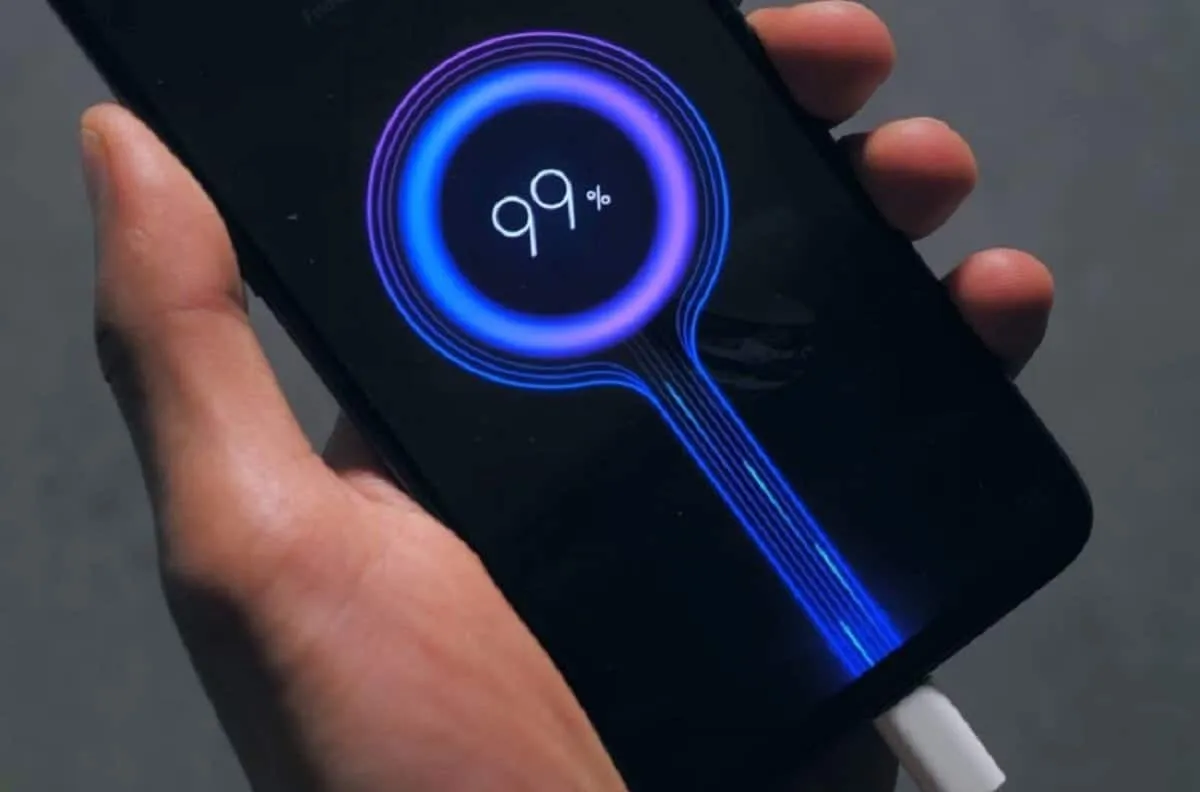
Understanding Fast Charging: How It Works and Why You Need It
Fast charging is a technology that enables devices, such as smartphones and electric vehicles, to charge their batteries at a significantly faster rate compared to standard charging methods. This is achieved through higher voltage or current levels, allowing more power to flow into the battery. For instance, many modern smartphones support charging speeds of up to 65W or more, drastically reducing the time needed to recharge from zero to full battery. Understanding how this technology works is crucial, as it not only enhances user convenience but also extends the overall lifespan of the device’s battery through optimized charging cycles.
There are several benefits to adopting fast charging technology. First and foremost, it saves time; users can spend less time tethered to a charger and more time on their devices. Additionally, it provides a practical solution for those with busy lifestyles, where quick top-ups can be easily integrated into daily routines. However, it is essential to utilize compatible charging accessories to ensure safety and efficiency. Therefore, if you haven’t upgraded to a fast charger yet, consider doing so – your devices and your schedule will thank you!
Counter-Strike Overview
Counter-Strike is a highly popular tactical first-person shooter game that has captivated gamers since its release. It involves two teams—the Terrorists and the Counter-Terrorists—competing to complete objectives or eliminate the opposing team. Players often rely on strategy, teamwork, and skill to outmaneuver their opponents. For those looking for optimal gaming accessories, check out the Top 10 Long Charging Cables to ensure your gaming devices stay powered up during intense matches.
Top 5 Myths About Fast Charging Debunked
As technology evolves, fast charging has become a standard feature in many smartphones and electronic devices. However, several myths persist around its functionality and safety. One common misconception is that fast charging significantly degrades battery life. In reality, modern batteries are engineered to handle increased power without suffering damage. Manufacturers have integrated advanced management systems that regulate voltage and current, ensuring batteries can utilize fast charging effectively and safely. This ability minimizes wear and optimizes battery health over time.
Another prevalent myth is that using a third-party charger can harm your device's battery. While it's true that some low-quality chargers can cause damage, reputable third-party brands comply with safety standards and can efficiently support fast charging. It’s essential to look for chargers that are certified by the device manufacturers or have undergone safety testing. Therefore, unless you're using an unreliable product, opting for a compatible third-party charger won’t impact your gadget's battery life negatively.
Is Fast Charging Safe for Your Device?
When it comes to fast charging, many users worry about the potential risks to their devices. Fast charging technology increases the power output delivered to a device, allowing for quicker battery replenishment. However, this can also generate excess heat, which can be detrimental to your battery's health over time. Manufacturers like Apple and Samsung design their fast charging systems with protective measures to mitigate these risks, ensuring that devices operate within safe temperature limits. It’s important to use the original charger or a certified accessory to ensure compatibility and safety.
Furthermore, recent studies suggest that while fast charging may lead to slightly faster battery degradation compared to standard charging, the difference is often negligible for most users. To maximize battery life, consider implementing best practices such as avoiding excessive heat exposure and unplugging the device once it's fully charged. If your device supports it, you might also opt for a slower, more conventional charging option during overnight charging sessions to maintain optimal battery health.