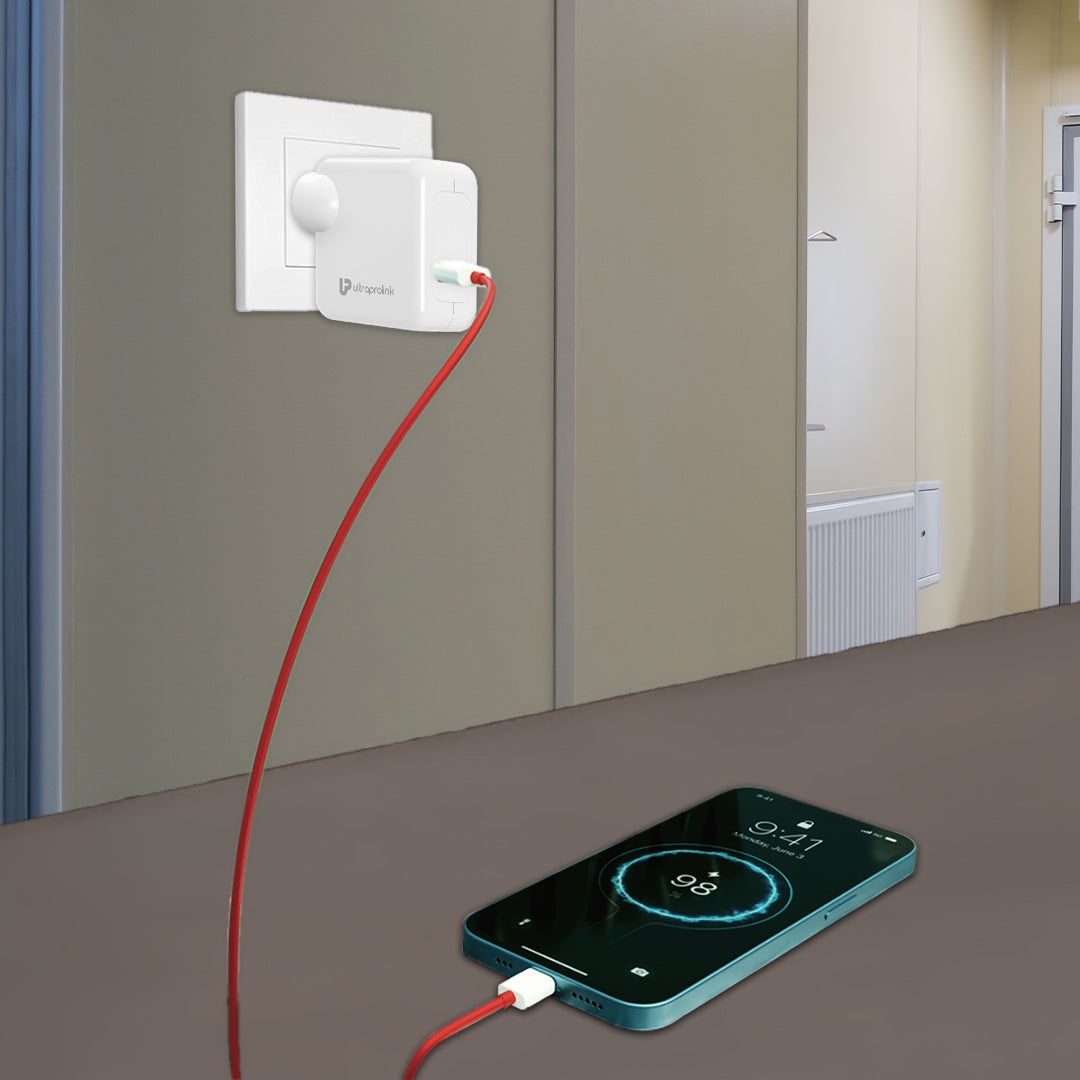
The Truth Behind Fast Charging: Debunking Common Myths
Fast charging has become a buzzword in the tech industry, but many people still believe in common misconceptions about how it works. One prevalent myth is that fast charging can damage your battery over time. In reality, modern smartphones and devices are equipped with advanced battery management systems that regulate charging speeds to ensure safety and longevity. These systems automatically adjust the charging rate based on battery temperature and capacity, effectively preventing overheating and prolonging battery life.
Another common myth is that using a fast charger will shorten your device’s battery lifespan. While it’s true that batteries degrade over time, studies have shown that the charging speed is not a significant factor in this process. Instead, factors such as battery heat, charge cycles, and overall usage patterns play a more crucial role in determining battery health. Therefore, using a fast charger responsibly, following manufacturer guidelines, and avoiding excessive heat will help maintain your battery's performance without unnecessary risks.
Counter-Strike is a popular multiplayer first-person shooter game that has captivated players since its release. Known for its tactical gameplay and team-based mechanics, it has evolved through various iterations, including Counter-Strike 1.6, Source, and Global Offensive. Players engage in intense battles where strategy and teamwork are essential to victory, making it a mainstay in the esports scene. For those looking to enhance their gaming experience, check out the Top 10 Short Charging Cables to keep your devices powered up during long gaming sessions.
Is Fast Charging Bad for Your Battery? What You Need to Know
Fast charging has become a popular feature in modern smartphones and laptops, offering the convenience of quickly topping up your device's battery. However, many users wonder, is fast charging bad for your battery? The short answer is that while fast charging can cause more heat generation compared to standard charging, most devices are engineered with advanced thermal and battery management systems that mitigate potential damage. Manufacturers often incorporate algorithms that adjust charging speeds based on the battery's condition, ensuring optimal performance without significant degradation.
To understand the long-term effects of fast charging, it's crucial to maintain a few best practices. For instance, keeping your battery between 20% and 80% can help prolong its lifespan regardless of charging speed. Occasionally allowing your battery to drop to 0% or charge to 100% is also beneficial but should be done sparingly. Ultimately, while fast charging can impact battery health, using it judiciously and being mindful of temperature can help preserve battery longevity. Remember, just because fast charging is available doesn't mean you have to use it all the time!
Fast Charging 101: How to Maximize Your Device's Charging Potential
Fast charging technology has revolutionized the way we power our devices, allowing users to enjoy increased battery life in less time. To truly maximize your device's charging potential, it's crucial to understand how this technology works. Most gadgets, whether it's a smartphone or a tablet, now come equipped with fast charging capabilities, but not all chargers or cables are created equal. Using a compatible charger—often denoted by terms like Quick Charge, USB Power Delivery (PD), or Vooc technology—will ensure your device receives the optimal amount of power. Always check your device specifications and the charger’s output to avoid any incompatibility issues.
Additionally, adopting best practices for charging can significantly enhance performance. Firstly, keep your device's software up-to-date to ensure compatibility with the latest fast charging enhancements. Secondly, avoid using your device while charging, as running applications can hinder the charging speed. If you want to speed things up even more, consider switching to airplane mode or turning your device off during charging. Lastly, ensure that your charging port is clean and free of debris, as obstructions can affect connectivity and, consequently, charging efficiency.