Understanding Data Transfer Protocols: The Backbone of Communication
Data transfer protocols are essential rules and conventions that govern how data is transmitted across networks. They ensure that information sent from one device can be accurately received and interpreted by another device, regardless of its type or operating system. By facilitating communication between diverse systems, these protocols form the backbone of modern connectivity, making everything from simple web browsing to complex data exchanges possible. Among the most common protocols used include HTTP for web traffic, FTP for file transfers, and TCP/IP which serves as the fundamental suite that enables internet functionality.
The importance of understanding data transfer protocols cannot be overstated, particularly in today’s data-driven world. They ensure that data integrity and security are maintained throughout the transmission process. For example, protocols like HTTPS provide secure communication over a computer network, protecting users' sensitive information during online transactions. As technology continues to evolve and the amount of data exchanged increases, knowledge of these protocols will be crucial for developers, IT professionals, and anyone involved in managing digital communication.
If you're looking to expand your connectivity options, the Top 10 Powered USB Hubs offer a great selection of devices that can handle multiple USB connections without compromising power. These hubs are perfect for charging devices and connecting peripherals, making them essential for any tech setup.
The Journey of Bits: How Data Travels Across Networks
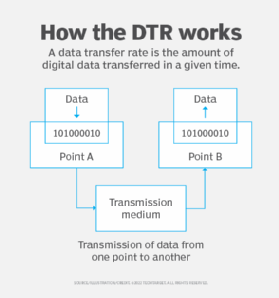
The journey of bits across networks is a fascinating process that involves various protocols and technologies working in tandem to ensure data reaches its intended destination. Initially, data is broken down into smaller units called packets, which encapsulate information and destination addresses. These packets travel through a complex web of hardware, including routers and switches, that directs their paths using protocols like TCP/IP. The reliability of this journey is crucial, as it determines how swiftly and accurately data can be transmitted, making a deep understanding of network layers and data encapsulation essential for managing information flow.
Once the packets have traversed the physical medium, which can range from fiber optic cables to wireless signals, they reach their destination device. Here, they undergo reassembly to reconstruct the original data. This process is refined by error-checking mechanisms that ensure the integrity of the transmitted information. Notably, technologies such as HTTP/2 and WebSocket have emerged, enabling more efficient data communication compared to earlier protocols. As our reliance on digital interactions grows, understanding the journey of bits is vital for optimizing network performance and enhancing user experiences.
Common Data Transfer Challenges and How to Overcome Them
Data transfer is an essential process for businesses and individuals alike, but it often comes with a series of challenges that can hinder efficiency and security. Common data transfer challenges include issues such as bandwidth limitations, data loss during transfer, and incompatible file formats. These issues can lead to delays, increased costs, and frustration. Understanding these challenges is the first step toward developing effective solutions that ensure smooth data transfer between systems or platforms.
To overcome these challenges, consider implementing a few strategies. First, invest in robust data transfer protocols that accommodate large file sizes and provide error correction features. Additionally, using encryption methods ensures that sensitive information remains secure during the transfer process. Regularly updating your software and systems can also minimize compatibility issues, allowing for seamless data exchanges. By addressing these common pitfalls proactively, organizations can enhance their data transfer processes significantly.