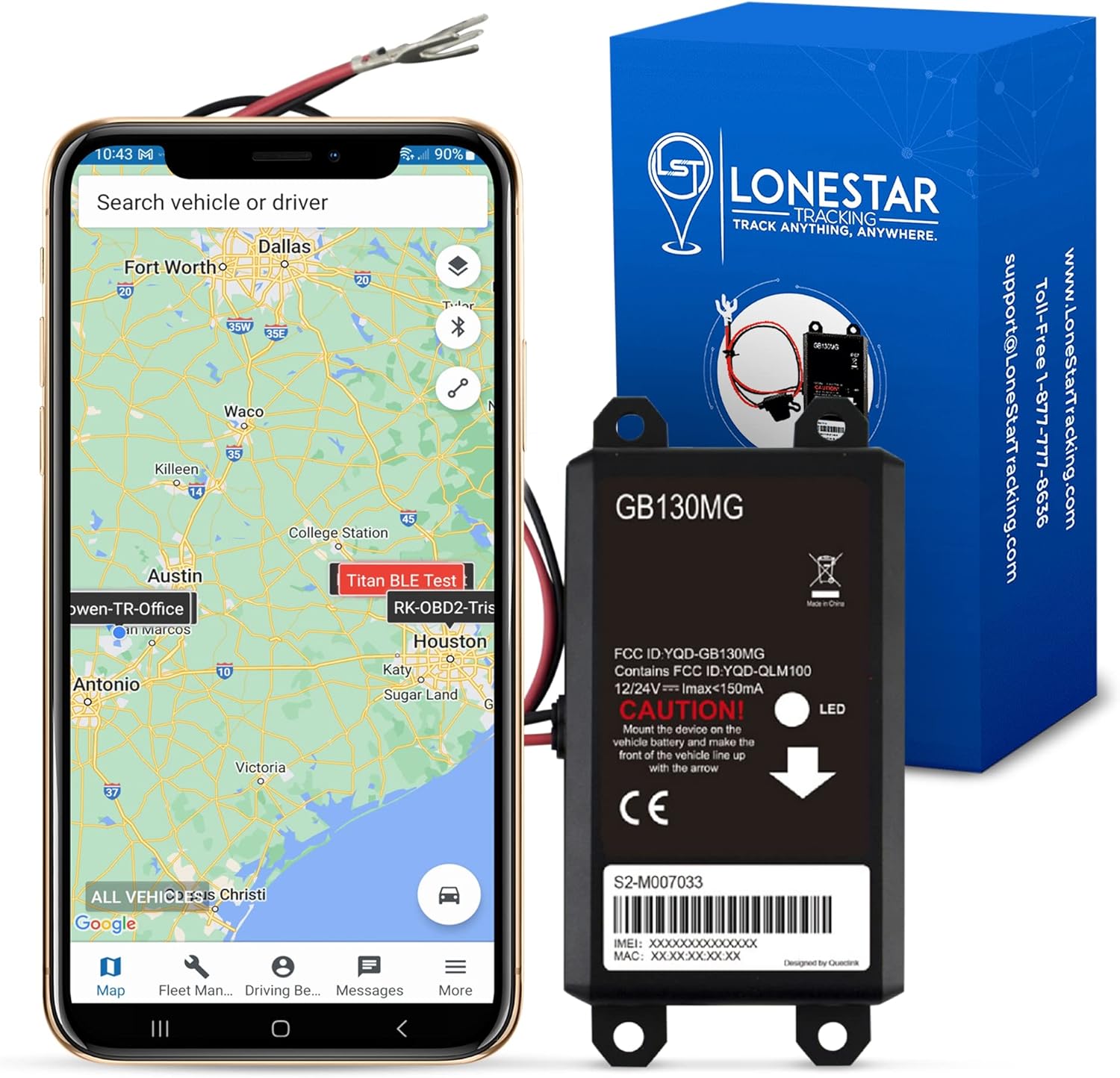
How Device Tracking Enhances Your Digital Security
In today's digital age, device tracking plays a critical role in enhancing your overall security. By utilizing advanced tracking technologies, individuals and organizations can monitor the location and usage of their devices, significantly reducing the risk of theft and unauthorized access. For instance, features like GPS tracking in smartphones and laptops enable users to pinpoint their device's location in real-time, making it easier to recover lost or stolen items. Furthermore, with the ability to lock or wipe devices remotely, users can protect sensitive information from falling into the wrong hands.
Moreover, integrating device tracking into your security strategy can help identify unusual behavior patterns that may indicate malicious activities. Many tracking systems provide alerts for suspicious access, such as multiple failed login attempts or access from unknown locations. This proactive monitoring allows individuals to respond swiftly to potential threats. By leveraging these capabilities, users not only fortify their own digital security but also contribute to a collective effort in safeguarding information across networks and platforms.
Counter-Strike is a multiplayer first-person shooter game that has become a cornerstone of competitive gaming since its launch. Players are divided into two teams, terrorists and counter-terrorists, with the objective of completing various mission types, such as bomb defusal or hostages rescue. The game's strategic depth and emphasis on teamwork have made it a popular choice for eSports tournaments and casual play alike.
Top 10 Alternatives to Bluetooth TrackersAs players develop their skills, they can choose from a variety of weapons and equipment, adding to the game's complexity and engagement.
The Benefits and Risks of Device Tracking: What You Need to Know
Device tracking has become an increasingly common practice, offering numerous benefits that enhance user experience and security. One of the primary advantages is improved convenience; for instance, businesses can offer personalized services based on individual user behavior and location. By leveraging device tracking, companies can optimize their marketing strategies, tailoring promotions to targeted audiences more effectively. Moreover, tracking helps in protecting lost or stolen devices, enabling users to locate their belongings quickly. This invaluable tool ultimately enhances operational efficiency and fosters brand loyalty in a competitive landscape.
However, alongside its benefits, device tracking also poses significant risks, particularly concerning privacy and data security. Users often remain unaware of the extent to which their data is being collected and how it is utilized, leading to potential misuse and unauthorized access. Furthermore, there is the risk of data breaches; if sensitive location data falls into the wrong hands, it could be exploited for malicious purposes. In an era where consumer trust is paramount, it is crucial for businesses to implement transparent data practices and robust security measures to mitigate these risks while leveraging the advantages of device tracking.
Is Your Device Tracking You? Understanding Privacy in the Digital Age
In today’s interconnected world, it's essential to ask the pressing question: Is your device tracking you? With the rise of smartphones, smartwatches, and various Internet of Things (IoT) devices, personal information is often collected without users' explicit consent. Data tracking can occur through various means, including location services, cookies, and even apps that run in the background. These tracking methods not only compromise your privacy but can also lead to targeted advertising that feels invasive. Understanding the ways in which these technologies function can empower you to take control of your data and privacy.
To protect your privacy in the digital age, consider implementing several strategies:
- Review permissions: Regularly check which apps have permission to access your location and data.
- Use privacy settings: Familiarize yourself with the privacy settings on your devices and adjust them accordingly.
- Utilize privacy-focused tools: Switch to browsers and search engines that prioritize user privacy, and consider using a VPN.