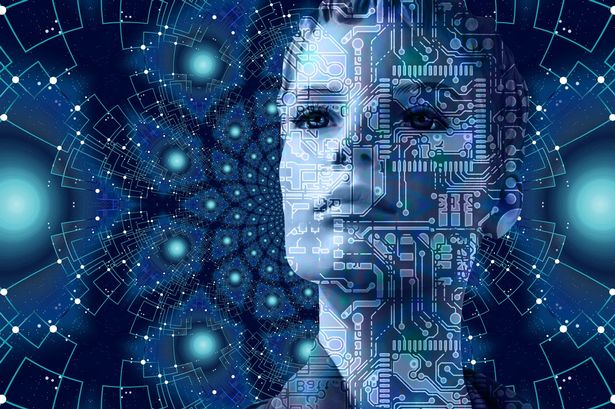
Exploring the Future: How AI is Redefining Our Lives Today
As we delve into the future of technology, one of the most transformative forces shaping our lives is artificial intelligence (AI). From personal assistants like Siri and Alexa to advanced predictive analytics in healthcare, AI is redefining how we interact with our environment and make decisions. This profound shift is not merely a glimpse into what is possible; it is a reality we are experiencing today. As AI technologies become more integrated into various aspects of our daily routines, the question arises: How will this impact our future?
Moreover, the implications of AI extend beyond convenience. In education, AI enables personalized learning experiences, adapting to individual student needs and paving the way for a more effective approach to knowledge acquisition. In business, AI streamlines operations, enhances customer experiences, and drives innovation. As we continue to explore these advancements, it's critical to consider both the opportunities they present and the ethical challenges they may pose, ensuring that as we embrace AI, we do so responsibly for the benefit of society.
Counter-Strike is a popular first-person shooter game that emphasizes teamwork and strategy. Players are divided into two teams, terrorists and counter-terrorists, each with specific objectives. To enhance your gaming experience, consider investing in accessories like the Top 10 iPhone privacy screen protectors that ensure your personal data remains secure while gaming on mobile devices.
Virtual Reality: A Journey Through Time and Space
Virtual Reality has evolved significantly over the past few decades, transforming from a niche technology into a mainstream phenomenon. The journey began in the 1960s with simple simulators, but it wasn't until the 1990s that VR made significant waves in both gaming and entertainment. Today, cutting-edge VR headsets allow users to immerse themselves in incredibly realistic digital worlds. This journey through time reveals not only advancements in technology but also the growing understanding of user experience and design, paving the way for applications beyond entertainment, including education, healthcare, and virtual tourism.
As we traverse through the space of this technology, we can observe that VR's applications are virtually limitless. From virtual reality art galleries that enable users to experience masterpieces from across the globe to training simulations for medical professionals, VR is revolutionizing sectors that rely on immersive experiences. However, with great technological advancements come challenges, including the need for improved accessibility and addressing ethical concerns related to data privacy and user safety. As we look to the future, the potential of VR continues to expand, inviting both enthusiasts and skeptics to engage with its possibilities.
What Emerging Technologies Can We Expect to Experience in the Next Decade?
As we look ahead to the next decade, several emerging technologies are poised to transform various industries and our daily lives. Among these, artificial intelligence (AI) continues to advance at a rapid pace, driving innovations in areas like healthcare, finance, and transportation. Moreover, blockchain technology is gaining traction, offering unparalleled security and transparency for transactions, which could revolutionize how we conduct business and manage identities.
In addition to AI and blockchain, we can expect significant developments in quantum computing that promise to solve complex problems far beyond the capabilities of current systems. Augmented reality (AR) and virtual reality (VR) are also set to redefine how we interact with digital content, providing immersive experiences in education, training, and entertainment. As these technologies mature, they will likely create new opportunities and challenges that we must navigate in the coming years.