What is USB3 and How Does it Revolutionize Data Transfer?
USB3, also known as USB 3.0 or SuperSpeed USB, is the third major version of the Universal Serial Bus standard, which was released in 2008. It revolutionizes data transfer by increasing the bandwidth significantly, allowing for a theoretical maximum data transfer rate of up to 5 Gbps. This is approximately ten times faster than its predecessor, USB 2.0, which means that large files, such as high-definition videos and extensive databases, can be transferred in a fraction of the time. Furthermore, USB3 supports greater power efficiency, enabling devices to charge faster and consume less energy during data transfers.
The impact of USB3 extends beyond speed improvements. It introduces features such as full-duplex data transfer, which allows for simultaneous data sending and receiving, enhancing overall efficiency. Additionally, USB3 connectors are designed to be backward compatible with USB 2.0, ensuring users can transition smoothly without the need for extensive hardware upgrades. As a result, USB3 is not just a technological advancement; it is a game-changer for anyone who regularly works with large amounts of data, streamlining workflows and improving overall productivity.
If you're looking to enhance your connectivity options, explore the Top 10 USB Extension Cables available on the market. These cables are perfect for extending the reach of your USB devices, ensuring you have the flexibility you need for your setup. Whether you're connecting printers, cameras, or other peripherals, the right extension cable can make all the difference.
Top 5 Devices That Benefit from USB3 Technology
In the evolving landscape of technology, USB3 technology has become a game changer for various devices, enhancing speed and efficiency. Here are the top 5 devices that significantly benefit from this advancement:
- External Hard Drives: USB3 enables quicker data transfer rates, allowing users to back up large files within minutes.
- Digital Cameras: Transferring high-resolution images is a breeze with USB3, making it ideal for photographers.
- Smartphones and Tablets: Charging and file transfer speeds are vastly improved, making daily operations more efficient.
- USB Hubs: They can connect multiple devices effortlessly, maximizing speed for all connected peripherals.
- Printers and Scanners: USB3 technology reduces the time it takes to send documents to print, enhancing productivity.
How to Choose the Right USB3 Cable for Your Tech Needs
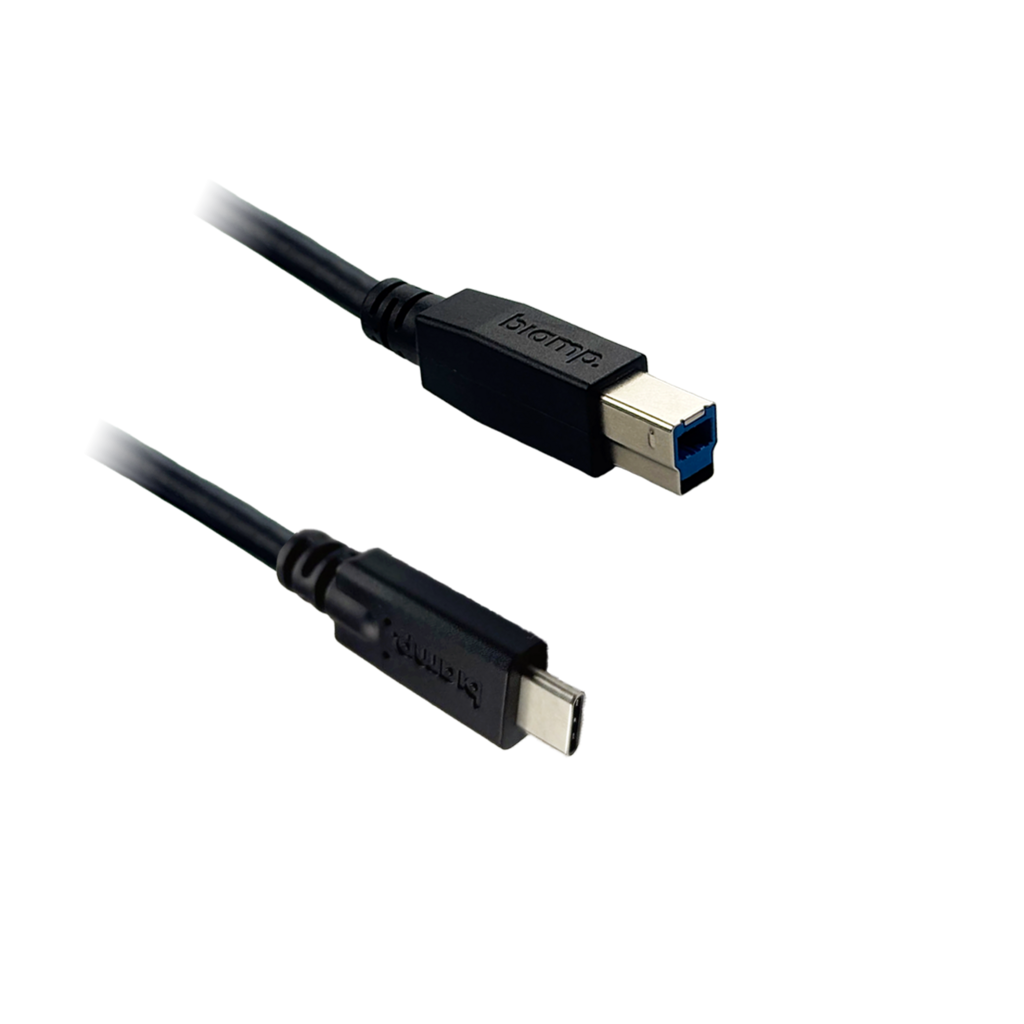
Choosing the right USB3 cable is crucial for optimizing your tech experience, whether you're looking to improve data transfer speeds or ensure compatibility with various devices. First, consider the type of devices you'll be connecting. There are multiple USB3 connector types, such as Type-A, Type-B, and Micro-USB. Assess your needs based on the devices you have; for instance, if you're connecting a modern laptop to an external hard drive, a USB3 Type-A to Type-B cable might be ideal. Additionally, ensure that the cable is long enough to suit your setup without compromising on speed.
Next, pay attention to the specifications of the USB3 cable you're considering. Look for cables that support USB 3.0 technology, as they can provide transfer speeds of up to 5 Gbps, significantly faster than previous versions. Additionally, check for quality certifications such as USB-IF compliance, which ensures the cable meets industry standards. Investing in a high-quality USB3 cable can prevent issues like interference or data loss, providing you with a reliable connection for all your tech needs.