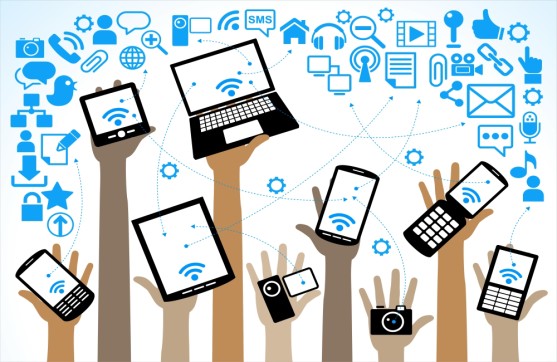
Understanding Gadget Jealousy: Why Your Devices Compete for Your Attention
In today's technology-driven world, it's common to experience gadget jealousy, a phenomenon where our various devices seem to vie for our attention. This competition is not just about features or aesthetics; it's deeply rooted in psychological triggers such as FOMO (Fear of Missing Out) and the desire for social validation. Each device, from smartphones to smartwatches, is designed to capture our interest with notifications, updates, and a plethora of applications, creating an environment where our attention is perpetually divided.
Understanding why our devices compete for our focus can help us manage our interactions more effectively. For instance, studies suggest that our brains are wired to respond positively to new stimuli, which is why a simple notification can pull us away from what we were doing. Additionally, gadget jealousy can drive us to constantly upgrade our own devices in a bid to not fall behind.
- This cycle of envy and distraction can lead to decreased productivity.
- It can also strain our mental well-being.
Counter-Strike is a popular first-person shooter game that has captivated millions of players worldwide. This tactical game requires teamwork, strategy, and quick reflexes as players take on the roles of terrorists or counter-terrorists. For players who enjoy gaming accessories, check out the Top 10 Nightstand MagSafe Chargers to enhance your gaming setup.
Signs Your Smartphone is Jealous of Your New Tablet
As technology continues to evolve, it's not uncommon for devices to exhibit some quirky behaviors. If you recently acquired a new tablet, you might notice signs your smartphone is jealous of this shiny new gadget. One of the most telling signs is when your smartphone starts to lag or behave erratically. You might encounter slow app launches or delayed responses, which could indicate that your smartphone feels neglected as you spend more time with the tablet. Remember, smartphones thrive on your attention, and they may express their discontent through these technical hiccups.
Another clear indication is if your smartphone's battery drains faster than usual. When you start using a tablet for browsing, streaming, or social media, your smartphone may feel anxious about being left out, causing it to work overtime. If you notice notifications and alerts flooding in more frequently while you’re focused on your tablet, it’s almost like your smartphone is pleading for your attention. Signs your smartphone is jealous can often manifest in behaviors that demand you return to it, reminding you of the connection you once shared.
Are You in a Toxic Relationship with Your Tech?
In today's digital age, it is increasingly common to find ourselves entangled in the web of technology, often leading to what may be best described as a toxic relationship with our devices. From the incessant notifications that demand our attention to the never-ending scroll of social media feeds, technology can sometimes overwhelm us. This dependency can breed anxiety, stress, and a feeling of inadequacy as we compare our lives to curated online personas. Ask yourself: Are you checking your phone before you even get out of bed? If so, you're not alone, but it's time to take a step back and evaluate how your tech usage affects your mental and emotional well-being.
Recognizing the signs of a toxic relationship with technology is crucial for reclaiming your peace of mind. Consider the following checklist:
- Do you frequently feel overwhelmed or anxious after using your devices?
- Are you unable to enjoy real-life interactions due to distractions from technology?
- Do you feel compelled to respond to messages or notifications immediately, even during personal time?